


Who can have an Ear Surgery?
At Ear Surgery Qatar, choosing the right candidate is essential to achieving outstanding results in Ear reshaping, Otoplasty, or ear pinning surgery. Whether you want your ears pinned back, wish to correct protruding ear concerns, or need reconstructive improvements, evaluating suitability ensures safety and satisfaction.
Ideal Candidates
1. Individuals With Protruding Ears
Patients with a noticeable protrusion of the ear benefit greatly from Otoplasty, or ear pinning surgery. This group often seeks surgery due to long-standing self-consciousness.
2. Children Aged Five and Above
Because cartilage becomes more stable around this age, children with protruding ear concerns are excellent candidates for otoplasty (ear reshaping).
3. Adults Seeking Cosmetic Enhancement
Adults who want their ears pinned back or improved ear symmetry can achieve transformative results with Otoplasty.
4. Individuals With Ear Deformities
Congenital or injury-related deformities can be effectively treated with Ear reshaping and otoplasty surgery.
5. Patients With Realistic Expectations
Understanding the benefits and limitations of ear pinning surgery ensures greater satisfaction.
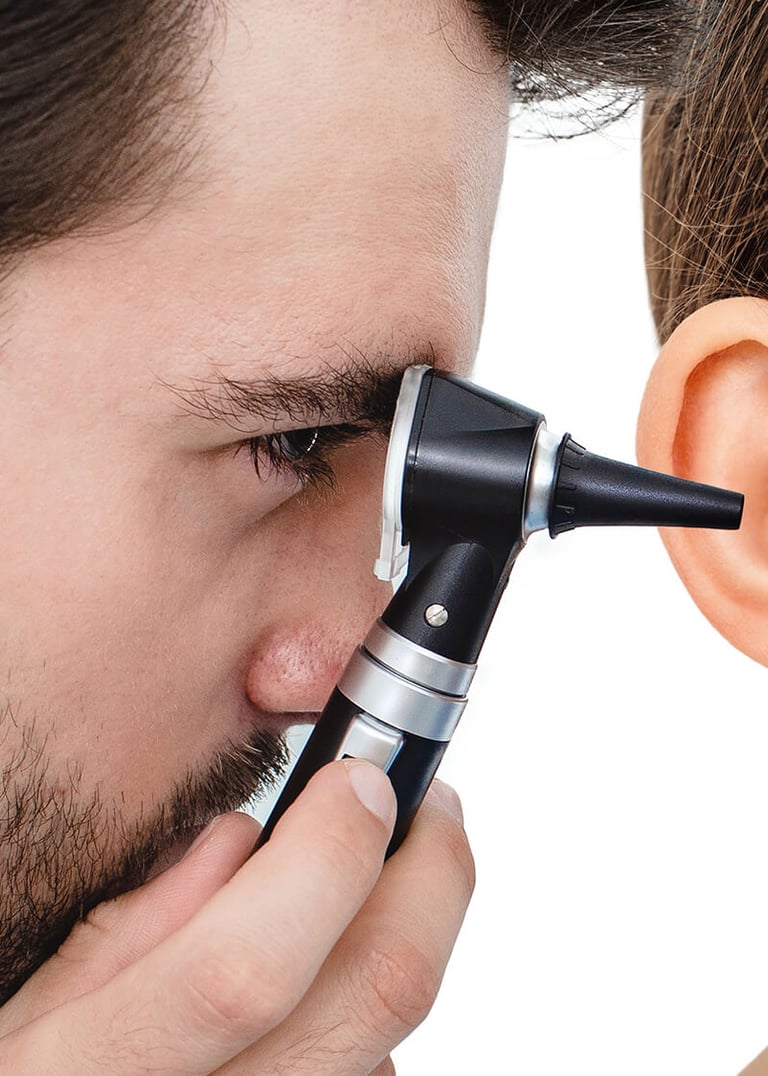
Who Is NOT a Good Candidate?
Individuals With Infections or Poor Healing Ability
Ear infections or chronic conditions can interfere with safe healing after Otoplasty or Ear reshaping.
Uncontrolled Medical Conditions
Diabetes, hypertension, and immune disorders may affect results from ear pinning surgery.
People Expecting Scar-Free Results
While scars are minimal and well hidden, they do exist.
Very Young Children
The ideal age for otoplasty surgery is 5+ because cartilage needs to be sufficiently developed.

A good candidate is someone with healthy cartilage, stable expectations, and a clear desire to correct a protruding ear or achieve balanced Ear reshaping. Proper selection ensures:
Natural, symmetrical results
Long-lasting improvements
Safe healing timelines
High patient satisfaction
Why Candidate Selection Matters
Ear Surgery Qatar
Reach out for your Ear Surgery.
Contact:
WhatsApp: +974 5170 0081
Call: +974 6679 6680
© 2025 All Rights Reserved | Designed and Powered By: Hayyamed
Clinic Location: Doha, Qatar مبنى 166، منطقة 31، شارع 950,